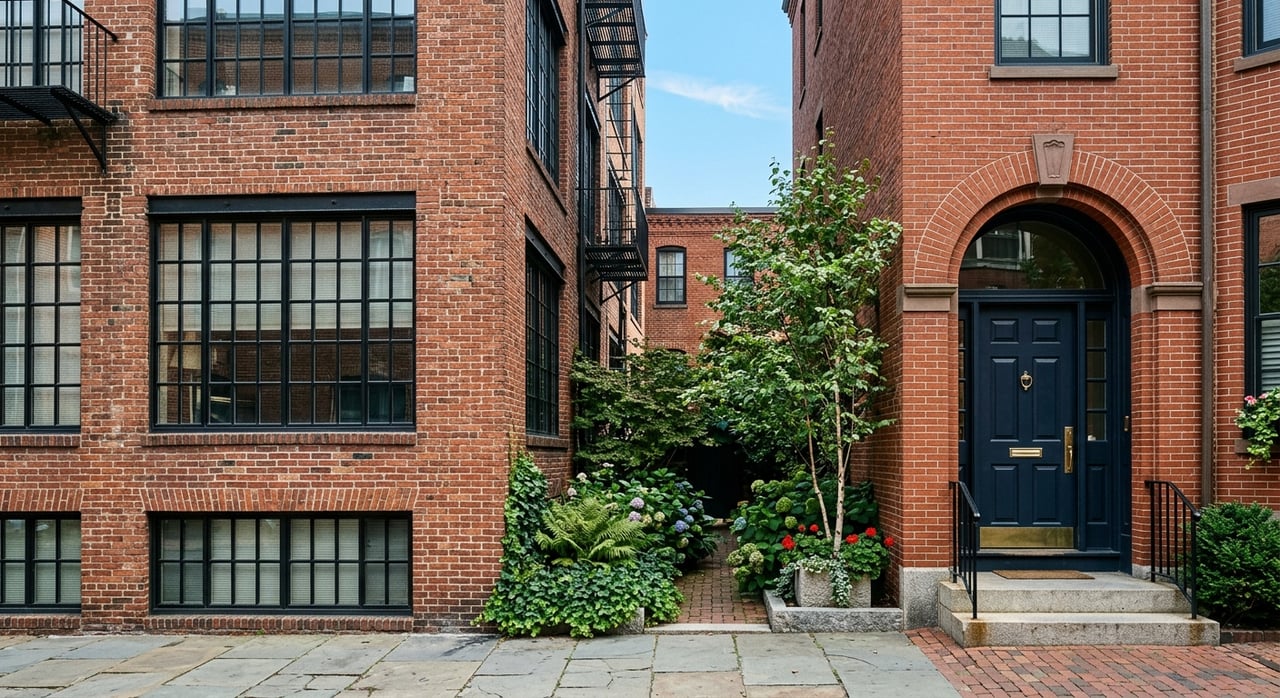
If you are thinking about buying in Old Fourth Ward, one thing becomes clear fast: there is no single “typical” home here. You are looking at a neighborhood with historic roots, newer mixed-use development, trail access, and a housing mix that ranges from condos to lofts to detached homes. That can feel exciting and a little overwhelming at the same time. This guide will help you understand what you are likely to find, how each property type fits a different lifestyle, and what to watch before you make an offer. Let’s dive in.
Why Old Fourth Ward Feels So Different
Old Fourth Ward has a layered housing story, and that matters when you start your search. City planning materials note that it is the only Atlanta neighborhood to retain its ward-system name, and its development pattern was shaped by small houses, shops, the Great Fire of 1917, and later freeway construction.
That history helps explain why the neighborhood does not look like a master-planned community. Instead, you will find a mix of older homes, loft-style conversions, and newer residential buildings near active commercial corridors and trail connections.
The neighborhood is also still evolving. According to the City’s 2024 Boulevard Atlanta Medical Center Small Area Plan, the former Atlanta Medical Center site and nearby parcels are being planned as a future mixed-use area with residential, greenspace, and walkability improvements.
For you as a buyer, that means Old Fourth Ward offers both established character and ongoing change. It also means location within the neighborhood can have a big impact on your daily experience and long-term resale.
Old Fourth Ward Condos
Condos are often the easiest entry point for buyers who want a walkable Intown lifestyle with less exterior maintenance. In general, condo ownership means you own your individual unit and share ownership interest in common areas and amenities.
In Old Fourth Ward, condos often appeal to buyers who want to be close to the BeltLine, restaurants, retail, and park space. That lifestyle fit lines up well with the neighborhood’s mixed-use character and buildings near destinations like Ponce City Market.
The City describes Ponce City Market as a historic mixed-use hub with 259 residential flats, loft office space, retail, and a pedestrian bridge connecting directly to the BeltLine. That gives you a good sense of how condo living here often blends housing with convenience and access.
What condo buyers should like
If you are comparing condos in Old Fourth Ward, these are often the biggest advantages:
- Lower exterior maintenance responsibility
- Walkable access to shops, trails, and parks
- Shared amenities in some buildings
- A more lock-and-leave lifestyle for busy owners or relocators
What condo buyers should review carefully
The monthly payment is not just your mortgage. Condo and HOA dues are part of the true cost of ownership, and those fees may cover maintenance, amenities, and reserve funding.
You should also review whether the building has had special assessments or may need one in the future. Governing documents can address parking, pets, renovations, and renting, so it is smart to request the CC&Rs, bylaws, rules, reserve information, and special-assessment history before you commit.
In Georgia, consumer guidance notes that owners in communities subject to the Georgia Condominium Act or the Georgia Property Owners’ Association Act may obtain comprehensive reports on finances, affairs, and budget projects at the annual board meeting. That is a useful reminder that building health matters just as much as unit finishes.
Old Fourth Ward Lofts
If condos tend to sell convenience, lofts tend to sell character. Lofts are usually found in converted industrial buildings and often feature open floor plans, high ceilings, exposed brick, visible structural elements, and wood or concrete floors.
That style makes sense in Old Fourth Ward because of the area’s industrial past. Some buyers are drawn to the architecture first, then realize the volume and natural light are just as appealing.
The City’s materials on Ponce City Market describe it as a former 1926 Sears warehouse and catalog distribution center with original steel-framed windows and historic character. The Old Fourth Ward master plan also referenced Dynamic Metals Lofts as an example of development that added a mix of housing prices.
What makes lofts different
A loft can feel very different from a standard condo, even when both are attached homes. The open layout, industrial finishes, and larger visual volume often create a more distinctive living experience.
That said, “open” is not always ideal for every buyer. If you work from home, want more privacy between rooms, or prefer more traditional storage and layout options, a loft may require more compromise than a conventional floor plan.
Questions to ask when touring lofts
Before you move forward on a loft, consider asking:
- How much enclosed bedroom or office space do you need?
- Are the windows, noise levels, and natural light a fit for daily life?
- What are the building’s parking rules and availability?
- Are there renovation restrictions for the unit?
- How do dues and reserves compare with other nearby buildings?
Old Fourth Ward Single-Family Homes
Detached homes are the hardest product type to find in Old Fourth Ward. The neighborhood still has older houses and historic pockets, but city planning history helps explain why single-family inventory is limited.
The master plan notes that the area once had densely packed small houses, and many were later lost to fire and redevelopment. As a result, detached homes are relatively scarce compared with the number of condos and loft-style options.
For many buyers, the appeal is simple. A single-family home typically includes the lot itself, which means you usually have more control over exterior upkeep and the land under the house than you would in a condo building.
Why buyers pursue detached homes here
A detached home can offer benefits that are harder to find in attached housing:
- More privacy
- More control over outdoor space
- Fewer shared walls
- Greater flexibility for exterior maintenance decisions
In Old Fourth Ward, these homes are often found on quieter interior streets rather than the most active mixed-use blocks. If your goal is space and privacy first, that may be a strong match.
How Walkability Shapes the Buying Decision
One of Old Fourth Ward’s biggest lifestyle advantages is walkability. The Atlanta BeltLine says the Eastside Trail runs from the tip of Piedmont Park to Reynoldstown and connects to Historic Fourth Ward Park, Thomas Taylor Memorial Skatepark, Ponce City Market, and Krog Street Market.
That access shapes how many buyers value homes here. For some, being a short walk from the BeltLine is the entire point of buying in the neighborhood.
Historic Fourth Ward Park is another major factor. BeltLine materials describe it as a 17-acre green space with a 2-acre lake, playground, splash pad, and amphitheater.
For condo and loft buyers in particular, nearby park space can function like an extension of the home. Even if your unit is compact, easy access to trails and open space can meaningfully improve daily life.
Comparing Condos, Lofts, and Homes
The best property type usually depends on what you want most: convenience, character, or control. Old Fourth Ward gives you all three, but not in equal supply.
| Property Type | Best Fit For | Main Tradeoff |
|---|---|---|
| Condo | Buyers who want walkability and lower exterior maintenance | Monthly dues and shared rules |
| Loft | Buyers who want historic character and open space | Less privacy and more layout compromise |
| Single-family home | Buyers who want privacy, land, and control | Limited inventory and often higher competition |
A simple way to think about it is this: condos usually buy convenience, lofts buy character and volume, and single-family homes buy privacy and land. In Old Fourth Ward, your right fit often comes down to your comfort with dues, your space needs, and how much you value being close to the BeltLine.
Ownership Costs to Factor In
When you compare options, it helps to look beyond the list price. A condo with a lower purchase price may still carry substantial monthly dues, while a detached home may shift more repair responsibility directly onto you.
If you are buying a condo or a townhouse-style property with an association, review dues, reserves, and any special-assessment history closely. Georgia consumer guidance also notes that CCRs govern dues increases and that unpaid dues can lead to liens and even foreclosure risk.
For primary-residence buyers, Fulton County homestead exemptions may reduce property taxes. Fulton County says the home must be your primary residence, and applications received by April 1 are applied to the current tax year.
Resale Factors Buyers Should Not Ignore
In a neighborhood like Old Fourth Ward, resale is often tied to both the individual property and the block around it. The City’s master plan emphasizes pedestrian-oriented buildings, active ground floors, mixed land use, and a mix of housing price points and unit sizes.
The 2024 small-area plan for the former Atlanta Medical Center area points to more mixed-use, walkable, greenspace-integrated development ahead. That suggests the neighborhood will continue to attract buyers who value access and convenience.
From a practical standpoint, properties with strong location, parking, sound building maintenance, and well-run associations often stand out better over time. If you are choosing between two similar units, the healthier building and better micro-location may matter more than cosmetic finishes.
A Smart Way to Narrow Your Search
If you are torn between a condo, loft, or detached home, start by ranking your top priorities. Most buyers get clarity faster when they decide what matters most before they tour too many options.
Try this short checklist:
- Do you want the lowest-maintenance ownership style?
- Is character more important than a traditional layout?
- Do you need outdoor space or more privacy?
- Are monthly dues comfortable in your budget?
- How important is being close to the BeltLine or Historic Fourth Ward Park?
Once you know your priorities, the neighborhood makes more sense. You stop comparing every listing to every other listing and start comparing each property type to your actual lifestyle.
Buying in Old Fourth Ward is rarely about finding a one-size-fits-all home. It is about matching the right kind of property to the way you want to live now and what you want your investment to look like later. If you want a strategic, neighborhood-specific plan for sorting through condos, lofts, and homes in Old Fourth Ward, connect with David Pruett for tailored guidance.
FAQs
What types of homes can you buy in Old Fourth Ward?
- Buyers in Old Fourth Ward will typically find condos, loft-style residences, and a smaller number of detached single-family homes.
What should condo buyers review in Old Fourth Ward buildings?
- Buyers should review monthly dues, reserve information, special-assessment history, and rules covering items like parking, pets, renovations, and renting.
Are single-family homes common in Old Fourth Ward?
- No, detached homes are generally the scarcest product type in Old Fourth Ward because the neighborhood’s history and redevelopment patterns limited that inventory.
Why do many buyers focus on BeltLine access in Old Fourth Ward?
- Many buyers value BeltLine access because the Eastside Trail connects the neighborhood to parks, mixed-use destinations, and nearby Intown districts.
Can a homestead exemption help Old Fourth Ward buyers in Fulton County?
- Yes, Fulton County says a homestead exemption may reduce property taxes if the home is your primary residence and you apply by April 1 for the current tax year.