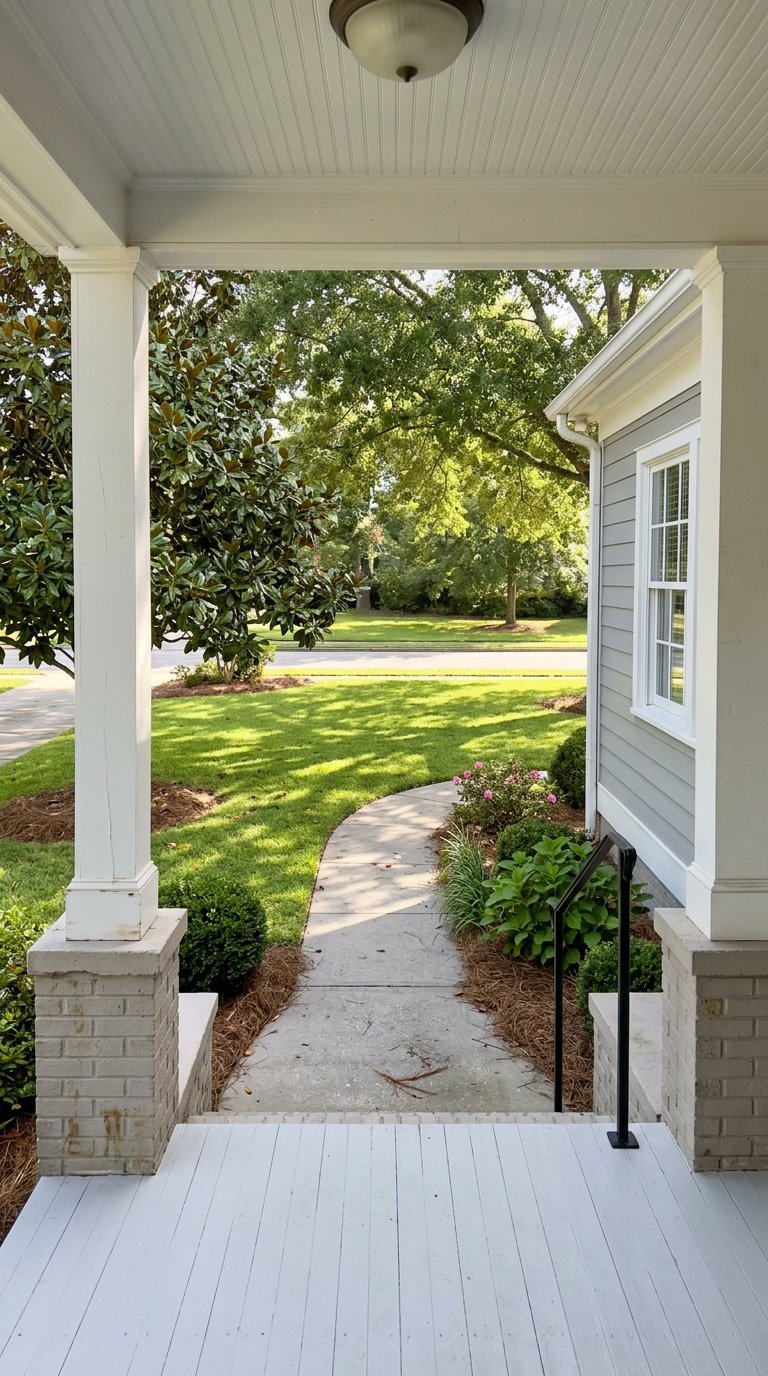
If your workday starts at Emory or the CDC, where you live can shape everything from your commute to your weekend routine. You may want a neighborhood that feels established and calm, but still keeps you close to campus, dining, and daily errands. In Druid Hills, that mix is a big part of the appeal. Here’s what you should know if you’re considering Druid Hills living as an Emory or CDC professional.
Why Druid Hills Stands Out
Druid Hills offers a rare blend of historic character, green space, and close-in convenience. The neighborhood was designed by Frederick Law Olmsted on a 1,300-acre plan completed in 1905, and the National Park Service describes it as Atlanta’s first suburb. Today, the Druid Hills Historic District remains nationally recognized, and preservation rules still shape much of the neighborhood’s appearance.
That history is visible in the housing stock. Emory describes Druid Hills as an urban-suburban neighborhood with mostly single-family homes, and architectural styles that include Georgian, Tudor, Jacobean, and Italian Renaissance. Historic documentation also notes Classical Revival and Bungalow/Craftsman homes, which helps explain why the neighborhood feels visually distinct from many newer parts of metro Atlanta.
Location Near Emory and CDC
For many buyers, Druid Hills starts with geography. Emory describes the neighborhood as about 2 miles from Emory and roughly 4 miles from downtown Atlanta, which puts you close to major employment centers without living in a dense high-rise district. If you work long hours, that kind of proximity can make your week much easier to manage.
The CDC is also close to the broader Clifton Corridor. The CDC Museum directions page lists the agency’s well-known Clifton Road address and outlines transit access through MARTA, reinforcing why nearby neighborhoods like Druid Hills remain a practical choice for CDC employees and related professionals.
Commute Options You Can Actually Use
One of Druid Hills’ biggest advantages is that you are not limited to a single commute strategy. If you prefer to drive, the neighborhood’s location makes that straightforward. If you want to reduce car time, Emory’s transportation network adds meaningful flexibility.
According to Emory’s Transportation Guide, the free Cliff shuttle system serves more than a dozen routes and connects the main campus with places such as the CDC, Wesley Woods, Decatur Station, Executive Park, and Emory Point. Emory also supports biking with bike lanes, racks, and a rental program, and SafeRide offers late-night on-campus trips.
MARTA also plays an important role. Emory’s School of Medicine notes that MARTA Bus Route 6 and Route 36 serve the Emory area, and the CCTMA route connects Emory with Decatur Station on weekdays. For some buyers, that creates a realistic car-light setup, especially when paired with campus shuttles.
Housing Style and Home Types
Druid Hills is best known for its detached homes and established streetscapes. If you picture mature trees, preserved architecture, and homes with a strong sense of design identity, you are on the right track. This is not a neighborhood defined by uniform new construction or high-density residential towers.
At the same time, your options are not limited to traditional houses. Emory’s off-campus neighborhood guide notes that the broader area includes apartments, condos, and detached rental homes, and nearby mixed-use areas like Emory Point add a more urban housing choice near the CDC corridor. That can be useful if you want to test the area before buying or prefer a lower-maintenance setup.
What Pricing Looks Like
Price data in Druid Hills is best treated as directional, not absolute. Different data sources use different boundaries and methods, and the neighborhood can be a relatively thin market with limited sales. That means one source may capture a few high-end or extensively renovated sales while another reflects a broader mix of homes.
The research shows that Zillow’s Druid Hills home value index was $689,249 as of January 31, 2026, while the Census Bureau reported a median owner-occupied home value of $793,200. Redfin reported a February 2026 median sale price of $1,106,500 based on only two sales, which is another reminder to read point-in-time pricing carefully.
The larger takeaway is simple: Druid Hills is generally a premium neighborhood, and buyers are often paying for location, architectural character, green space, and limited supply. If you are comparing it with areas that have more turnover or more new construction, the price gap may reflect scarcity as much as square footage.
Rent vs. Buy in Druid Hills
If you are relocating for Emory or the CDC, you may be weighing whether to rent first or buy right away. Census QuickFacts lists median gross rent at $2,022 and median monthly owner costs with a mortgage at $3,189. On a monthly basis, renting may offer a lower entry point.
Buying, however, can make more sense if you plan to stay longer and place real value on historic housing, preserved streetscapes, and neighborhood scarcity. In a place like Druid Hills, the decision is often less about finding the cheapest monthly payment and more about matching your timeline, budget, and lifestyle goals.
Preservation Rules Matter
In Druid Hills, charm comes with structure. The neighborhood is divided into nine districts, and preservation rules vary depending on whether a property is in unincorporated DeKalb County or within the City of Atlanta portion of the neighborhood. Some exterior changes may require a Certificate of Appropriateness, and tree-removal rules can also differ.
For buyers, that means due diligence matters. If you are considering renovations, additions, or major exterior updates, it is smart to understand the applicable historic preservation guidelines before you make an offer. For many owners, those guardrails are part of the appeal because they help preserve the neighborhood’s overall look and feel.
Daily Life and Convenience
A neighborhood can look great on paper and still feel inconvenient in daily life. Druid Hills tends to work well because it combines a residential setting with practical nearby services. You can get the calmer feel of a historic neighborhood without giving up easy access to errands and dining.
Emory describes Emory Village as the historic commercial heart of Druid Hills, with dining, CVS, banks, salons, a spa, a pottery studio, a butcher shop, and Emory’s Barnes & Noble. Nearby, Emory Point adds restaurants and lifestyle retail across from the CDC, and other convenient hubs include Toco Hill Shopping Center and downtown Decatur via shuttle and MARTA.
There is also ongoing attention to how growth fits the area. In late 2024, the Druid Hills Civic Association reported approval of a new Emory Village zoning overlay intended to keep the village pedestrian-oriented, preserve historic buildings, and allow moderate-scale mixed-use redevelopment.
Green Space Is a Real Asset
For many professionals, access to green space is not a bonus. It is part of how you recharge after work. Druid Hills has a strong advantage here thanks to its landscape design and protected open space.
The Druid Hills Civic Association describes Olmsted Linear Park as a 45-acre greenspace buffer, while Emory’s neighborhood guide describes six park segments totaling 50 acres. However you count it, the park is a defining feature of the neighborhood.
Other nearby green spaces add even more value. The Druid Hills Civic Association also highlights Fernbank Forest, a 65-acre old-growth forest with more than 2 miles of paths, along with Freedom Park and the Peavine Trail near Emory. If you want a neighborhood where walks, runs, and outdoor breaks are easy to fit into your routine, Druid Hills delivers.
Who Druid Hills Fits Best
Druid Hills tends to appeal to buyers who value proximity and permanence at the same time. If you work at Emory or the CDC and want a neighborhood with architectural distinction, mature landscaping, and access to multiple commute options, it checks many boxes. It can also fit well if you are relocating and want a close-in area that feels established from day one.
This neighborhood may be especially worth a look if you want:
- A short commute to Emory or the CDC
- Mostly single-family homes with historic character
- Strong access to green space and trails
- A residential setting with nearby village-style retail
- A neighborhood where preservation helps protect visual consistency
Bottom Line on Druid Hills Living
Druid Hills offers something that can be hard to find in Atlanta: a genuinely historic neighborhood that still works well for modern professional life. You get close access to Emory and the CDC, a recognizable architectural identity, meaningful green space, and transportation options that can support more than a drive-only routine.
If you are weighing a move to Druid Hills or comparing it with other Intown neighborhoods, the right guidance can save you time and help you focus on the homes that truly fit your goals. If you want a strategic, local approach to your next move, connect with David Pruett to start the conversation.
FAQs
What makes Druid Hills appealing for Emory professionals?
- Druid Hills is about 2 miles from Emory, offers historic housing, strong green space access, and benefits from Emory shuttle and transit connections.
What makes Druid Hills appealing for CDC professionals?
- Druid Hills sits close to the Clifton Corridor and offers convenient access to the CDC area, along with nearby retail, established residential streets, and multiple commute options.
What types of homes can you find in Druid Hills?
- Druid Hills is known for mostly single-family homes, with styles including Georgian, Tudor, Jacobean, Italian Renaissance, Classical Revival, and Bungalow/Craftsman, plus some nearby condo and rental options.
Are Druid Hills homes subject to historic rules?
- Yes. Depending on the property’s location, exterior changes may be subject to preservation guidelines, including potential Certificate of Appropriateness requirements.
Is Druid Hills a good option if you want a car-light commute?
- It can be, especially for Emory-side workers who can combine MARTA bus service with Emory’s Cliff shuttle network and bike-support infrastructure.
Should you rent or buy in Druid Hills?
- Renting may offer a lower monthly entry cost, while buying may better suit long-term plans if you value historic character, limited supply, and neighborhood stability.