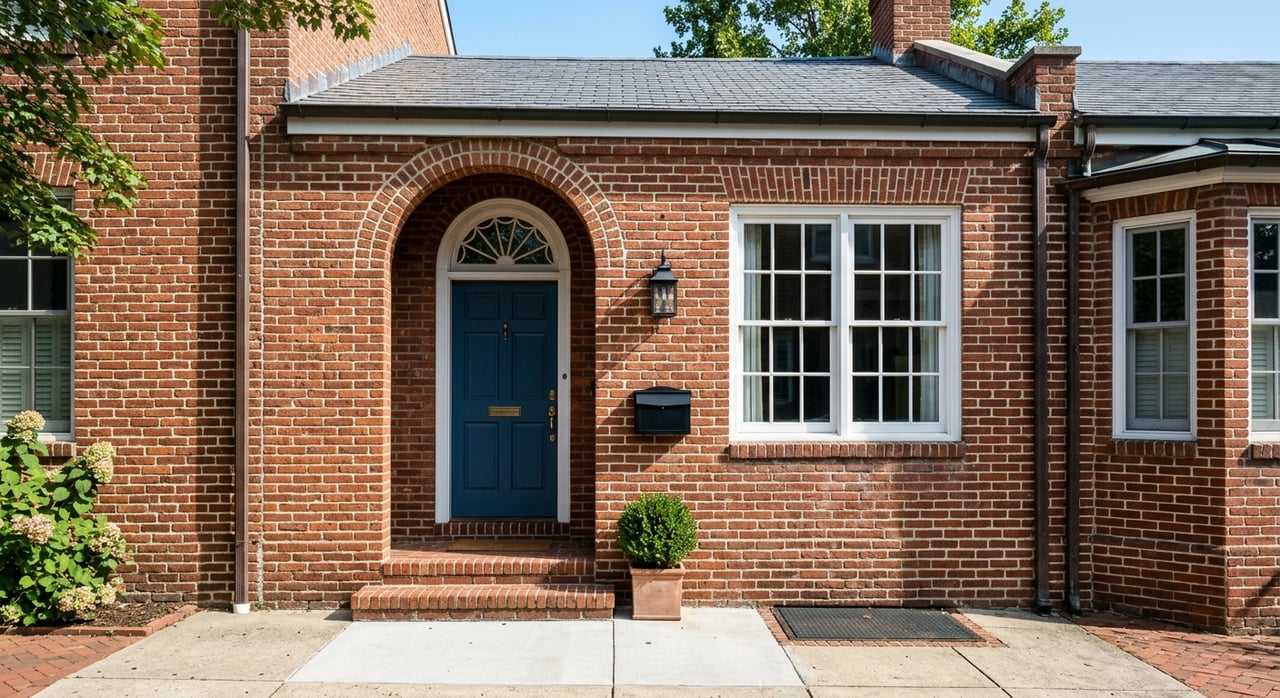
Buying your first home in Decatur can feel exciting and a little overwhelming at the same time. You want a place that fits your budget, your commute, and your day-to-day lifestyle, but Decatur also comes with real trade-offs around price, walkability, and monthly costs. If you understand those trade-offs before you start shopping, you can make better decisions and avoid surprises. Let’s dive in.
Decatur market basics
Decatur is a compact city of about 4.7 square miles, with more than 60 miles of sidewalks and three MARTA rail stations within city limits. That built-in walkability is a big part of the appeal for first-time buyers who want easier access to downtown Decatur, local shops, green space, and transit.
That same convenience often comes with a higher price tag. The most walkable homes and homes closer to the city core typically command a premium, especially when compared with outer Decatur ZIP codes.
Current market data also shows why buyers need to look carefully at the numbers. One source reported a March 2026 median sale price around $705,000 for Decatur and homes selling in about 37 days, while another broader Decatur market source showed a median listing price near $299,900 and a median listing period of 54 days. Those figures are not directly comparable because they use different geography and methods, but together they show a market where price and pace can vary a lot depending on where you are looking.
Where first-time buyers usually start
For many first-time buyers, the most realistic entry points in Decatur are condos and townhomes. Current market data shows condo median listing prices around $310,000, while townhomes are notably higher at about $540,000.
That does not mean single-family homes are off the table, but it does mean your search may involve more trade-offs. In practice, many buyers have to choose between a smaller home in a more walkable area or a lower monthly payment farther from the city center.
If budget is your top concern, broader Decatur ZIP codes often offer more approachable pricing. Recent ZIP-level data showed median listing prices around $249,500 in 30035, $255,000 in 30034, and $303,000 in 30032. By comparison, 30033 was closer to $475,000 and 30030 was around $599,000.
The Decatur value trade-off
For first-time buyers, Decatur is often about deciding what matters most. You may find better value in outer ZIP codes if your main goal is to keep your payment manageable. You may pay more in closer-in areas if walkability, transit access, and proximity to downtown are high on your list.
That trade-off shows up across property types. A condo may offer a lower purchase price, but it can also come with homeowners association dues. A townhome may provide more space, but often at a higher price point. An older bungalow may have character and a strong location, but it may also require more maintenance.
This is where a process-driven search matters. When you compare homes, do not focus only on the asking price. Look at the full monthly cost, the condition of the property, and how well the location matches your daily life.
What to budget beyond the mortgage
One of the biggest surprises for first-time buyers is that your monthly housing cost is not just principal and interest. You also need to budget for property taxes, homeowners insurance, mortgage insurance if your loan requires it, flood insurance if needed, and routine maintenance.
If you buy a condo or townhome, HOA dues may also be part of the equation. Those dues are usually paid separately from the mortgage and can range from a few hundred dollars to more than $1,000 per month, depending on the community and what is included.
That is why a home that looks affordable on paper can still strain your budget once all the carrying costs are added in. A clear monthly budget upfront helps you shop with confidence and avoid stretching too far.
How property taxes work in DeKalb County
Property taxes are especially important to understand before you buy in Decatur. DeKalb County appraises real estate at 100% of fair market value and assesses it at 40%, which then feeds into the tax calculation.
The City of Decatur’s FY 2025-26 budget materials show a city millage rate of 12.97 mills. The city also gave an example of about $2,796.50 in city tax on a $500,000 homestead property. That city bill is only one piece of the overall property tax picture, but it is a meaningful one.
You should also know that tax bills can change. The city notes that the final bill uses the current year’s DeKalb tax digest and that a later installment may differ if assessed value, millage, or exemptions change.
Homestead exemptions matter
If you plan to live in the home as your primary residence, homestead exemptions may help reduce your tax burden. DeKalb County says homestead exemption applications must be received before April 1 to apply to the current tax year.
The City of Decatur has its own process as well. The city says that if you file a county homestead exemption, you must also apply with the city. For 2026, the city said new exemptions were due by March 15, and applications received after April 1 would be processed for the following year.
There is also added relief through DeKalb County’s EHOST program for homesteaded properties. In 2025, the county announced $206.3 million in residential property tax relief tied to EHOST credits. Even so, it is smart to budget conservatively until you know exactly which exemptions apply to your home.
Schools and day-to-day planning
If school access is part of your search, it helps to understand how the local system is structured. City Schools of Decatur is a public charter district in DeKalb County serving roughly 5,300 students within the city’s service area and providing public education from early childhood through 12th grade.
The district includes neighborhood elementary and upper-elementary campuses, Beacon Hill Middle School, and Decatur High School. Resident students in the City of Decatur are automatically enrolled for the next school year, and registration is handled online.
Even if schools are not your top priority today, they can still affect demand patterns in the market. In general, location choices in and around Decatur often reflect a mix of budget, commute, and access to city amenities and public services.
Walkability and transit expectations
Walkability is one of Decatur’s strongest draws. The city highlights its tree-lined streets, sidewalks, downtown green space, and three MARTA stations, and it has also noted a Gold Level Walk Friendly Community designation.
For you as a buyer, that means lifestyle can become part of the price equation. If you want to walk to restaurants, parks, or transit, you should expect that preference to narrow your options or raise your budget.
If your priority is more space or a lower payment, looking farther from the city core may open up more choices. Neither path is right or wrong. The key is understanding what you are paying for and whether it supports the way you actually live.
How to prepare your offer
In Decatur, being ready matters. A preapproval letter can strengthen your position because sellers often want proof that financing is likely before they take an offer seriously.
You should also understand the difference between an appraisal and an inspection. An appraisal supports the lender’s view of value, while an inspection gives you a closer look at the property’s condition.
A strong first-time buyer offer is usually clean, but not careless. In a competitive pocket of Decatur, that often means:
- having a solid preapproval in hand
- showing a clear financing path
- offering reasonable earnest money
- keeping important protections like financing and satisfactory inspection contingencies
- reviewing HOA documents carefully when applicable
Older homes need a different mindset
Part of Decatur’s appeal is its architectural character, including historic homes and older bungalows. Those homes can offer charm, location, and a strong sense of place, but they can also come with more upkeep.
As a homeowner, you are responsible for repairs and maintenance. For first-time buyers, that means looking beyond curb appeal and thinking through near-term needs like systems, exterior maintenance, and ongoing upkeep costs.
If you love older homes, that is not a reason to avoid them. It is simply a reason to evaluate them carefully and plan your budget with realistic expectations.
Georgia Dream and buyer assistance
If you are worried about getting started, Georgia offers a first-time buyer assistance option worth reviewing. Georgia Dream is a state program aimed at eligible first-time buyers, or people who have not owned a home in the past three years.
The program is used through participating lenders and requires homebuyer education. If you think you may qualify, it can be part of your financing conversation as you build a purchase plan.
What first-time buyers should expect overall
For most first-time buyers, Decatur is still possible, but rarely without compromise. You may choose a condo instead of a detached house, an outer ZIP instead of the city core, or a home with less walkability in exchange for a more comfortable monthly payment.
The good news is that Decatur offers a wide range of options and a lifestyle many buyers still find worth the effort. With the right strategy, clear budget, and a careful offer plan, you can move through the process with more confidence and fewer surprises.
If you want help building a smart first-time buyer plan for Decatur, David Pruett can guide you through the market with a clear, process-driven approach.
FAQs
What price range should first-time buyers expect in Decatur?
- In broader Decatur, current ZIP-level median listing prices ranged from about $249,500 in 30035 to about $599,000 in 30030, with condos and townhomes often serving as the main entry point for first-time buyers.
Are condos a good first home option in Decatur?
- Condos can be a practical starting point in Decatur because current market data showed a condo median listing price around $310,000, though you should also factor in HOA dues and other monthly costs.
How do Decatur property taxes affect monthly costs?
- In addition to your mortgage payment, you need to budget for property taxes, insurance, possible mortgage insurance, maintenance, and any HOA dues, and Decatur city taxes are only one part of the full property tax bill.
Do buyers in Decatur need to apply for homestead exemptions?
- Yes, if you qualify and plan to use the home as your primary residence, DeKalb County and the City of Decatur each have exemption processes and deadlines, so it is important to review both after closing.
Is it more expensive to live near downtown Decatur?
- In general, yes. More central Decatur ZIP codes and homes with stronger walkability or transit access tend to have higher listing medians than outer ZIP codes.
What should first-time buyers do before making an offer in Decatur?
- You should get preapproved, review your monthly budget carefully, understand inspection and appraisal differences, and be ready to compare location, condition, and total monthly cost before submitting an offer.