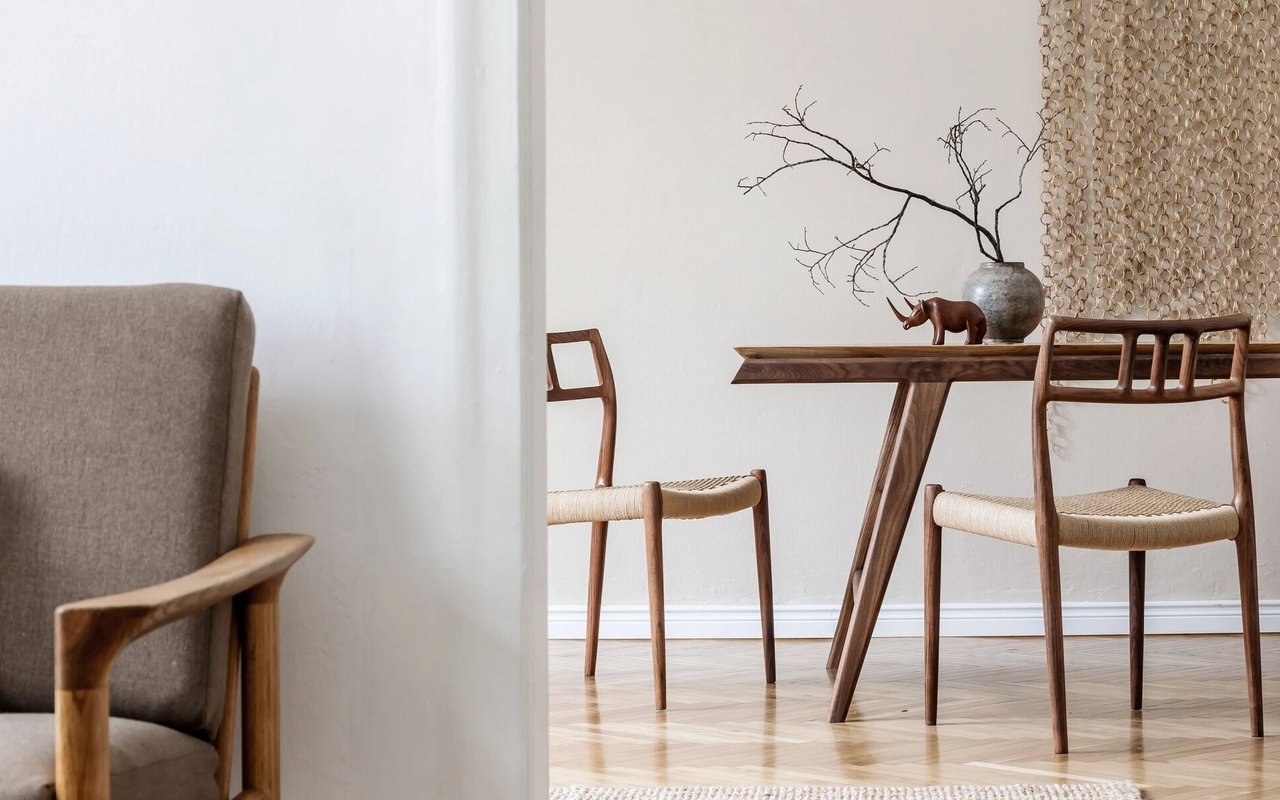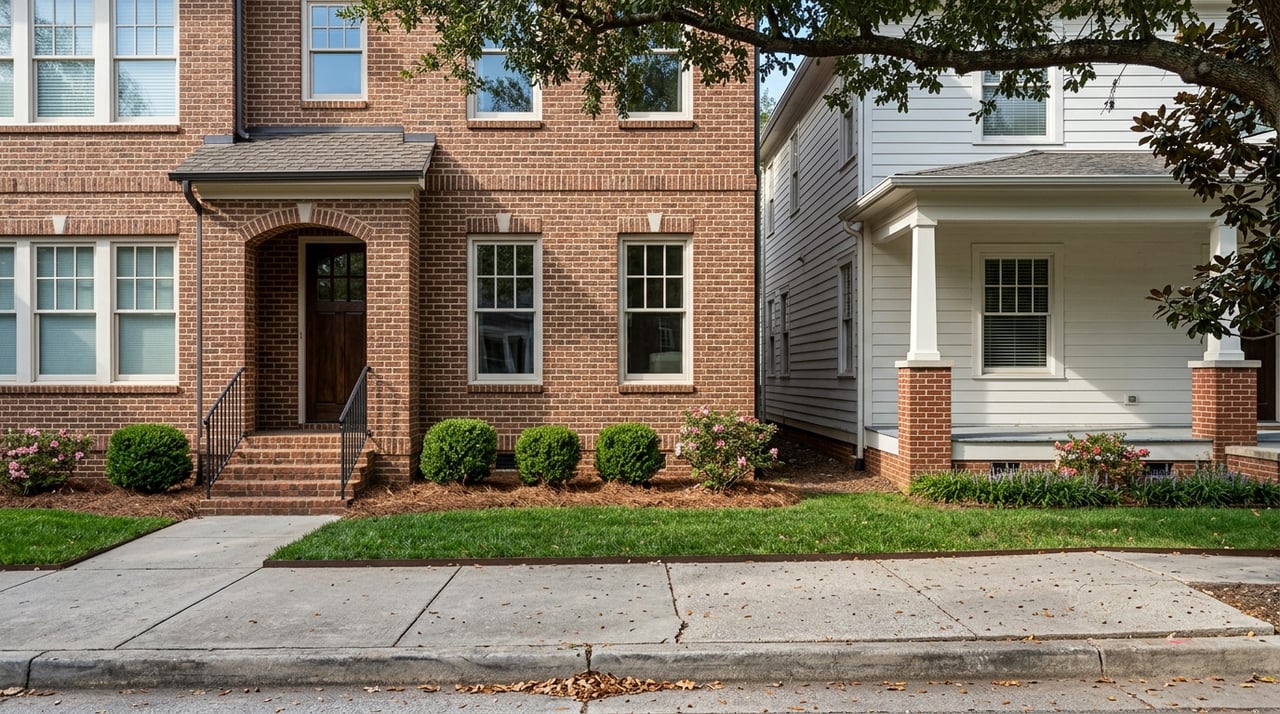
Are you torn between the convenience of a Buckhead condo and the space of a single-family home? You are not alone. In Buckhead, that choice is especially nuanced because the area blends a dense, amenity-rich commercial core with quieter residential pockets. If you are trying to decide which property type fits your lifestyle, budget, and long-term plans, this guide will help you compare the tradeoffs clearly. Let’s dive in.
Why This Choice Feels Different in Buckhead
Buckhead is not a one-note housing market. It is a mixed-use district with roughly 87,000 residents, a daytime population near 140,000, 33,763 multifamily units, and 18,678 individual homes. That range gives you very different ways to live within the same broader area.
In practical terms, your decision is not just about condos versus houses. It is also about whether you want to live closer to the walkable commercial core, settle into a more residential pocket, or find a middle ground that balances convenience and separation.
Buckhead Condos at a Glance
Condos are often the most accessible entry point into Buckhead. Current public listing data shows 571 condos for sale at a median listing price of $315,000, with a median 79 days on market.
For many buyers, the main appeal is convenience. A condo can put you closer to Buckhead Village District, Lenox Square, Phipps Plaza, Buckhead Station, and PATH400, all of which support a more connected, low-maintenance Intown lifestyle.
Best reasons to consider a condo
If you are looking at Buckhead condos, these are often the biggest advantages:
- Lower entry price compared with other property types in the area
- Less exterior maintenance for you to manage personally
- Easier access to shopping, dining, and transit in the commercial core
- A practical option for buyers who value lock-and-leave convenience
What to watch with condo ownership
A lower purchase price does not always mean a lower monthly cost. HOA dues are usually paid separately from your mortgage, and they should be part of your affordability math from the start.
You will also want to look closely at the specific building, not just the unit. In a market where condos can be more sensitive to pricing, dues, and building quality, the details matter.
Single-Family Homes in Buckhead
Buckhead still has a substantial base of detached housing. The district includes 18,678 individual homes, and local planning policy continues to support adjacent single-family neighborhoods even as the commercial core grows more dense and transit-oriented.
A single-family home usually offers a different kind of lifestyle. You may gain more privacy, more yard space, fewer shared walls, and more control over how you use and maintain the property.
Best reasons to consider a single-family home
Detached homes often make sense if you value:
- More privacy and separation from neighbors
- Outdoor space for relaxing or entertaining
- Greater flexibility for updates and customization
- A setup that may feel better suited for longer-term use
What to budget for with a house
More control also means more responsibility. With a single-family home, you are generally taking on more owner-managed maintenance, repairs, and ongoing budgeting.
That means your monthly planning should account for more than the mortgage alone. Taxes, insurance, utilities, maintenance, repairs, and any applicable HOA costs should all be considered before you decide what feels affordable.
Walkability and Location Matter
One of the biggest differences between Buckhead condos and single-family homes is how they line up with the area’s geography. The strongest walkability is in Buckhead’s commercial core, where destinations cluster around Buckhead Station, Buckhead Village District, Lenox, Phipps, and PATH400.
Buckhead Station offers MARTA rail service with trips to Midtown in about 12 minutes, Downtown in 16 minutes, and the airport in 32 minutes. PATH400 also creates a 5.2-mile greenway connection used by walkers, joggers, bikers, and pet owners.
That said, Buckhead is still uneven in its pedestrian experience. Local planning groups note that the district historically developed around the automobile, so walkability is strongest in certain pockets rather than everywhere.
Comparing the Tradeoffs
If you are deciding between a condo and a single-family home, the right answer usually comes down to how you rank convenience, privacy, monthly costs, and upkeep.
| Factor | Condo | Single-Family Home |
|---|---|---|
| Entry price | Often lower | Often higher |
| Monthly costs | Mortgage plus HOA dues and other costs | Mortgage plus taxes, insurance, utilities, maintenance, and other costs |
| Maintenance | Less exterior upkeep for owner | More owner-managed upkeep |
| Walkability | Often stronger near the core | Varies by pocket |
| Privacy | Shared walls are common | More separation and control |
| Outdoor space | Usually limited | Usually more yard space |
Resale Considerations in Buckhead
Buckhead’s median sale price across all home types is about $710,000, and homes are selling in around 58 days. Within that larger market, condos currently represent the most supply-heavy segment, while detached homes sit in a different position from a pricing and inventory standpoint.
For you as a buyer, that means resale should be part of the conversation early. If you are leaning toward a condo, pay special attention to monthly dues, insurance exposure, and the overall strength of the building or association. If you are leaning toward a house, think about how much upkeep you are willing to handle over time and how long you plan to stay.
Which Option Fits Your Lifestyle Best?
A condo may be the better fit if you want easier access to Buckhead’s commercial core, a lower entry point, and less day-to-day exterior maintenance. This can be especially attractive if you are relocating, travel often, or want a more streamlined ownership experience.
A single-family home may be the better fit if you want more privacy, outdoor space, and control over the property. It often suits buyers who are comfortable managing more upkeep and who value a more residential feel within the larger Buckhead area.
A Strategic Way to Decide
When clients are choosing between property types in Buckhead, the smartest approach is to compare total lifestyle fit, not just price. You want to measure the real monthly cost, the level of maintenance you are comfortable with, and how important walkability or privacy is to your daily routine.
A disciplined search process helps a lot here. When you narrow your priorities first, it becomes much easier to identify whether a condo or a single-family home truly supports the way you want to live in Buckhead.
If you are weighing Buckhead condos against single-family homes, a local, process-driven strategy can help you move faster and make a more confident decision. When you are ready for tailored guidance, connect with David Pruett to map out the right Buckhead buying plan.
FAQs
Should I choose a condo or a single-family home in Buckhead if I want walkability?
- If walkability is your top priority, condos are often the stronger fit because the most amenity-dense and transit-connected parts of Buckhead are concentrated in the commercial core.
Are Buckhead condos more affordable than single-family homes?
- Condos generally have a lower median listing price in current public data, but you should also factor in HOA dues, taxes, insurance, and other monthly ownership costs.
Do single-family homes in Buckhead offer more privacy than condos?
- Yes, detached homes usually offer more privacy, fewer shared walls, and more control over outdoor space and customization.
What should I budget for when buying a Buckhead condo?
- In addition to your mortgage, you should plan for HOA dues, taxes, insurance, utilities, and other ownership costs when evaluating affordability.
What should I budget for when buying a Buckhead single-family home?
- You should account for mortgage costs, taxes, insurance, utilities, maintenance, repairs, and any HOA fees that may apply.
Is all of Buckhead equally walkable for homebuyers?
- No, walkability is strongest in Buckhead’s commercial core, while other parts of the district remain more car-oriented despite ongoing pedestrian improvements.