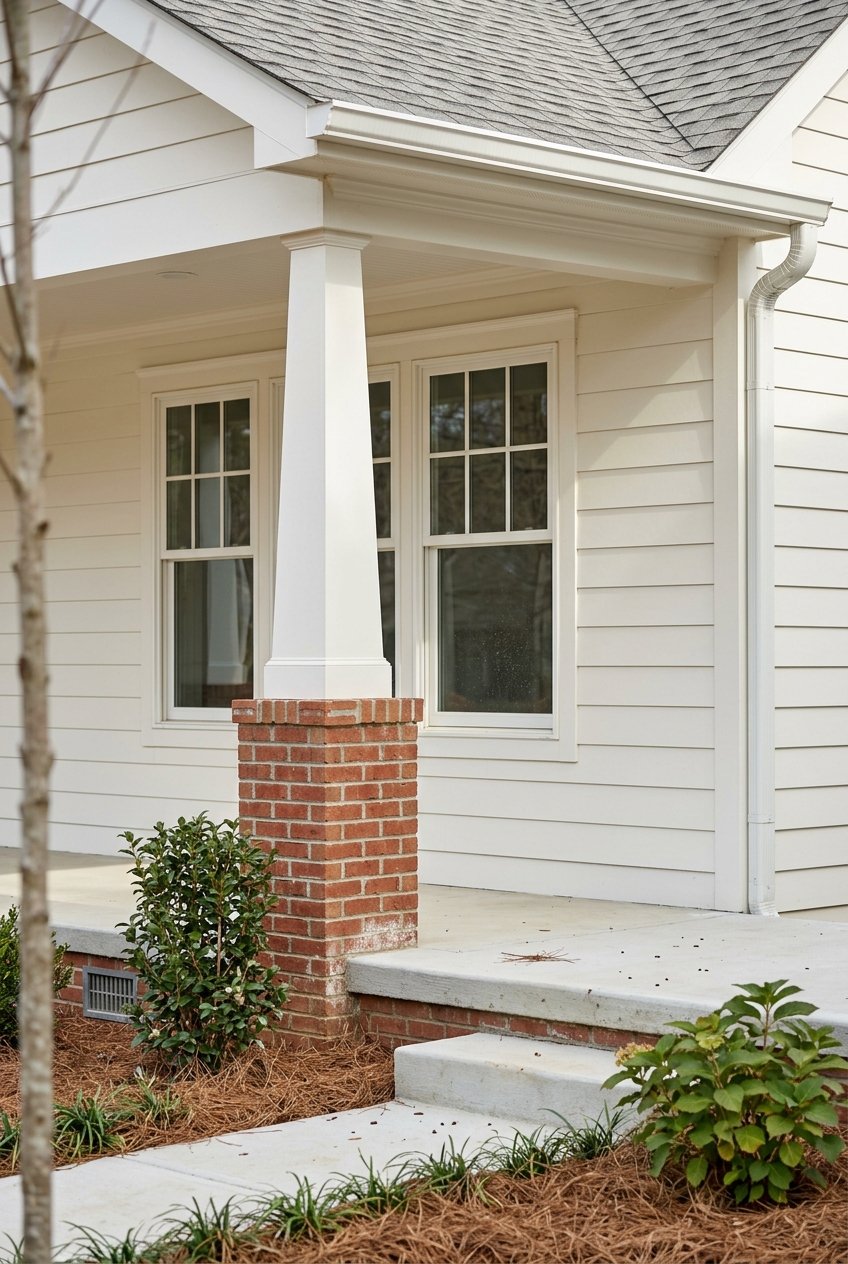
If you have your eye on a Virginia-Highland bungalow, you already know the appeal is real. These homes offer architectural character, strong street presence, and a walkable Intown lifestyle, but they also come with older-house risks and a fast-moving market. If you want to buy with confidence, you need more than enthusiasm. You need a smart plan, clear priorities, and the right due diligence before you write an offer. Let’s dive in.
Why Virginia-Highland bungalows stand out
Virginia-Highland is known for its early 20th-century housing stock, with many homes developed between 1905 and 1936. The neighborhood’s historic fabric includes Craftsman, English Vernacular Revival, and Colonial Revival influences, along with classic bungalow, English cottage, and American Foursquare house types.
That architectural consistency is part of what makes the neighborhood so desirable. The area also benefits from a strong neighborhood commercial corridor along North Highland Avenue and about a mile of BeltLine corridor, which supports the walkable lifestyle many buyers want.
Because of that mix of character and convenience, bungalow inventory can feel limited. When a well-located, well-presented home hits the market, buyers often need to act quickly and make decisions with discipline.
What today’s market means for buyers
Virginia-Highland is a competitive market by current measures. Redfin reports a March 2026 median sale price of $750,000, average days on market of 21, and notes that many homes receive multiple offers, with some buyers waiving contingencies.
Zillow’s April 30, 2026 data also points to constrained supply, showing 39 homes for sale and 13 new listings, with a typical home value of $965,355. These metrics are not identical, but they point to the same practical takeaway: if you are targeting a bungalow here, preparation matters.
That means having financing lined up, understanding your inspection approach before you tour homes, and setting a realistic renovation reserve. In a neighborhood where charm drives demand, speed without preparation can become expensive.
How to buy with confidence
Get clear on your must-haves
Not every bungalow will fit the same buyer. Before you start touring seriously, decide what matters most to you: lot size, porch presence, renovation level, parking, number of bedrooms, or proximity to the neighborhood’s commercial corridor and BeltLine access.
This step matters because compromises happen fast in competitive markets. If you know where you can be flexible and where you cannot, you will make better decisions under pressure.
Separate charm from condition
A beautiful front porch and original details can make a home feel like the one. But with older homes, visual appeal should never replace a careful look at systems, structure, and moisture management.
Confidence comes from understanding both the emotional value and the physical realities of the property. In Virginia-Highland, that balance is especially important because many homes are old enough to carry deferred maintenance, older materials, or renovation decisions made over many decades.
Build your budget beyond the purchase price
Your budget should include more than down payment, closing costs, and cosmetic updates. Older bungalow ownership often includes near-term spending on roofing, drainage, gutters, plumbing, and mechanical systems.
That is not a reason to avoid the home. It is a reason to underwrite it honestly. Preservation guidance also notes that mechanical, electrical, and fire-suppression systems can consume up to 10% of square footage and 30% to 40% of a rehabilitation budget, which is a useful reminder that system upgrades are rarely minor line items.
Inspection issues to watch closely
Moisture and water intrusion
Water is one of the biggest risks in older Atlanta homes. National Park Service guidance identifies common moisture sources such as exterior moisture above grade, below-grade ground moisture, leaking plumbing and mechanical equipment, and interior moisture.
In practical terms, your inspection strategy should pay close attention to gutters, downspouts, grading, foundation moisture, roof flashing, dormers, and any signs of staining, soft wood, or rot. Failed flashing and poor drainage can quietly create expensive problems over time.
Crawl space and foundation concerns
Foundation and structural review should never be rushed in a historic bungalow. NPS rehabilitation guidance warns that excavation or regrading near a historic building can lead to settlement, shifting, or failure.
For buyers, that means crawl-space conditions, drainage patterns, settlement cracks, and evidence of past structural alterations deserve careful review. If the home has been updated over time, look closely at whether those changes appear thoughtful and well integrated.
Lead-based paint risk
If a home was built before 1978, lead-based paint is a real consideration. EPA guidance says homes built before 1978 are more likely to contain lead-based paint, and 87% of homes built before 1940 have some lead-based paint.
That does not automatically make a house a dealbreaker. It does mean you should assume lead-safe work practices may be needed if future renovations will disturb painted windows, trim, walls, or other surfaces.
Asbestos in older materials
Asbestos can also come into play in older homes, especially when later renovations or repairs disturb certain building materials. EPA notes that homes built between the 1930s and 1970s are more likely to contain asbestos-containing materials.
If material is damaged, or if planned work may disturb it, repair or removal should be handled by a trained and accredited asbestos professional. This is especially relevant if you are planning a kitchen, bath, attic, or basement update soon after closing.
Renovation due diligence matters
Verify zoning and preservation status
Before you make an offer, verify the parcel’s zoning and preservation status. The City of Atlanta recommends starting with its GIS property information tools, and a zoning verification letter can confirm the zoning district and any applicable overlays, including historic or landmark districts.
That is an important first step, but it is not the whole story. Atlanta also makes clear that a zoning verification letter does not confirm permits, certificates of occupancy, or code violations.
Check permit history separately
Because zoning verification does not show permit or code history, you should ask for permit records separately. This is especially important if the bungalow has visible additions, porch changes, window replacement, reworked floor plans, or other exterior updates.
In older homes, finishes can look polished while paperwork tells a different story. A clean paper trail helps you understand whether visible improvements were approved and whether the work was likely completed with proper oversight.
Understand historic district review
If the property is in a historic district, some exterior work may require review before a building permit is submitted. Atlanta states that the Office of Design regulates historic and landmark districts, and the project scope plus district overlay can determine whether a Certificate of Appropriateness or Urban Design Commission approval is needed.
That matters if you are already thinking about changing windows, expanding the footprint, altering the porch, or making other exterior changes. A home can still be a great fit, but your renovation timeline and design options may be more structured than you expect.
Think about compatibility before remodeling
Atlanta’s compatibility standards are especially relevant for bungalow additions and exterior remodeling. City code language says additions and exterior alterations should not destroy historic materials and should remain compatible with the property’s massing, size, scale, and architectural features.
That framework can actually help protect long-term value. In a neighborhood that emphasizes preservation of single-family homes, the broadest resale appeal often comes from keeping the defining exterior character intact while modernizing systems thoughtfully.
A smart offer strategy for Virginia-Highland
In a competitive market, confidence does not mean taking unnecessary risk. It means preparing early so you can move decisively when the right home appears.
A strong buying plan often includes:
- Fully reviewed financing before serious home shopping
- A clear cap for purchase price plus immediate post-closing work
- A property-specific inspection strategy based on the home’s age and condition
- Fast document review for permits, zoning, and any preservation-related approvals
- A realistic understanding of what you can update now versus later
Some homes will attract buyers willing to waive contingencies. Redfin notes that this does happen on certain hot homes in the neighborhood. But older bungalows carry real condition and renovation questions, so your strategy should reflect the property, your risk tolerance, and your long-term plans.
What supports long-term resale appeal
The strongest resale story in Virginia-Highland is usually not about making an older bungalow look brand new. It is about preserving what gives the house its identity while addressing the issues future buyers worry about most.
That often means protecting original character, porch-to-street presence, and architectural scale while investing in drainage, roofing, mechanical systems, and other core components that reduce future repair risk. In a neighborhood with enduring demand tied to historic character and walkable amenities, that balance tends to make sense both practically and financially.
Buying a Virginia-Highland bungalow can be incredibly rewarding, but confidence comes from discipline. When you combine neighborhood-specific guidance, careful property review, and a clear plan for both competition and condition, you put yourself in a much stronger position to buy well.
If you are planning a Virginia-Highland home search and want a more tactical, process-driven approach, David Pruett can help you navigate the details with clarity and speed.
FAQs
What makes Virginia-Highland bungalows competitive for buyers?
- Virginia-Highland combines historic bungalow housing stock, a strong North Highland commercial corridor, BeltLine access, and limited inventory, which helps drive competition and multiple-offer scenarios.
What should buyers inspect first in a Virginia-Highland bungalow?
- Buyers should focus early on moisture intrusion, roof and flashing issues, gutters and drainage, crawl-space conditions, foundation movement, and signs of rot or past structural changes.
What environmental concerns matter in older Virginia-Highland homes?
- For older homes, lead-based paint and asbestos are key concerns to evaluate, especially if you plan to renovate or disturb painted surfaces or older building materials.
What should buyers verify before renovating a Virginia-Highland bungalow?
- Buyers should verify zoning, check whether the property is in a historic or landmark district, review permit history separately, and confirm whether exterior work may require preservation-related approvals.
What kind of renovation budget should buyers expect for a Virginia-Highland bungalow?
- Buyers should budget beyond cosmetic updates and account for possible spending on roofing, drainage, plumbing, mechanical systems, lead-safe work practices, and asbestos review when needed.