Love the look of a wide front porch and original woodwork but unsure how to tell a true Craftsman from a Tudor cottage? If you are shopping in Virginia-Highland, you see a mix of historic bungalows and thoughtful renovations on nearly every block. You want character, comfort, and strong resale. This quick primer shows you how to spot the main bungalow styles here, what details matter most, and how to plan updates that protect value. Let’s dive in.
Why bungalows define Virginia-Highland
Virginia-Highland grew in the early 1900s and still showcases small, street-friendly homes with porches and mature trees. Buyers choose the neighborhood for walkability, scale, and architectural charm. They also expect efficient systems and updated kitchens and baths. The local climate adds context for upkeep: humid summers, heavy rain, and clay soils influence foundations, drainage, and termite prevention.
Three bungalow styles you will see
Craftsman bungalow: what to look for
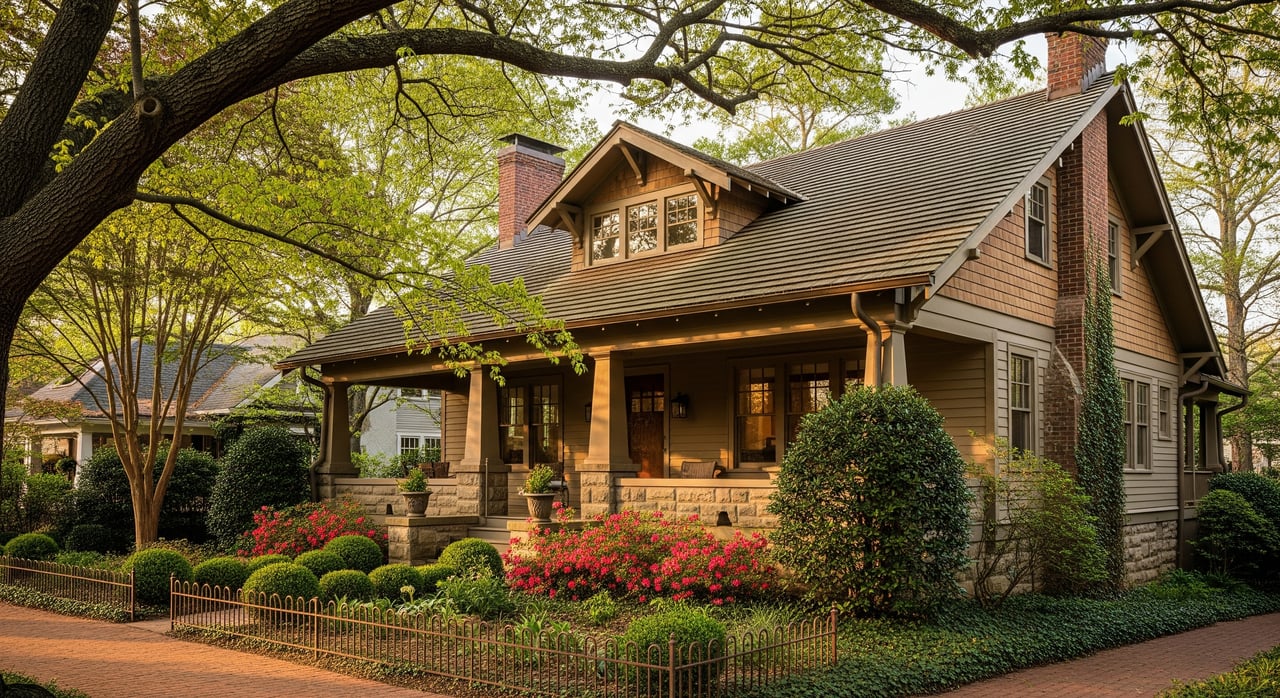
- Low-sloped gabled roofs with wide eaves, exposed rafter tails, and knee braces.
- Full or partial front porches with tapered square columns on stone or brick piers.
- Wood or shingle siding and multi-pane upper windows over single-pane lowers.
- Interiors with built-ins, substantial trim, hardwood floors, and a central fireplace.
What buyers value:
- Original millwork, porch presence, built-ins, period hardware, and fireplaces.
- Authentic proportions and materials that keep the façade and windows right.
Renovation sensitivity:
- Preserve porch structure, column scale, rafter tails, and original window patterns.
- Keep visible trim and beams when refreshing kitchens or opening walls.
Tudor Revival cottage: what to look for
- Steep, often asymmetrical gables with occasional half-timbering or stucco-and-brick.
- Arched or recessed entry doors, small leaded or diamond-pane windows, tall chimneys.
- Interiors with arched openings, cozy rooms, and plaster or stone fireplace surrounds.
What buyers value:
- Storybook curb appeal and distinctive rooflines.
- Charming details like arched entries and leaded glass.
Renovation sensitivity:
- Match roof pitch and gable proportions in any change or addition.
- Conserve visible half-timbering, chimneys, and window shapes.
Post-war bungalow: what to look for
- Late 1940s to 1950s infill with simpler façades and lower profiles.
- Modest porches or stoops, sometimes a small carport or single-bay garage.
- More practical interior layouts and restrained trim.
What buyers value:
- Slightly larger rooms and easier kitchen reconfigurations.
- Flexibility to add space without losing significant period detail.
Renovation sensitivity:
- Still protect original floors and period windows where present.
- Use simple, compatible materials to keep the look cohesive.
Authenticity vs. updates: what to keep
Balancing character with comfort is the winning strategy in Virginia-Highland. Start by protecting the features that define the style, then modernize the systems and spaces you live with daily.
Character features to protect
- Porch proportions, column shapes, exposed rafter tails, and rooflines.
- Original window sizes and sightlines, exterior trim, and unique façade details.
- Interior millwork, built-ins, hardwood floors, and period fireplace surrounds.
Tip: Document original conditions with photos before changes. It helps with permits and your resale story.
Smart system upgrades
- Bring HVAC, electrical, and plumbing to modern standards. Buyers prioritize performance and safety.
- Replace older galvanized supply lines where feasible and confirm water heater age and capacity.
- Size electrical service appropriately. Many updated homes target 200 amps to support today’s loads.
Kitchens and baths that fit
- Aim for period-sensitive finishes that blend with original trim and floors.
- Keep cabinet profiles simple and timeless. Pair with classic tile and durable counters.
- Favor functional layouts over trend-driven statements that clash with the home’s age.
Additions that respect scale
- Place additions at the rear or side with lower rooflines than the original structure.
- Use compatible materials and keep massing modest to preserve the streetscape.
- Confirm permits. Unpermitted work can delay closings or trigger costly fixes.
Windows, insulation, and materials
Windows that match originals
- Original wood windows contribute heavily to curb appeal. Repair when possible.
- If replacement is needed, select wood or clad wood that matches original sightlines and muntin patterns.
- Storm windows or historically accurate sashes can boost efficiency without changing the look.
Insulation and air sealing
- Target attics, crawlspaces, and between-floor cavities to improve comfort.
- Air seal first, then add insulation to reduce moisture risks.
- Avoid damaging historic interior finishes when accessing wall cavities.
Materials that age well
- Use in-kind or visually compatible materials for visible repairs.
- Avoid vinyl siding or porch alterations that change scale and detail.
- Keep masonry and eaves properly flashed and painted to manage Atlanta’s humidity.
Permits and local review in Atlanta
Virginia-Highland has active civic and preservation interests. Plan exterior changes with care.
- Engage the City of Atlanta permitting process early, especially for additions or major exterior work.
- Consult neighborhood guidance and preservation staff when altering façades or rooflines.
- Keep records of permits and inspections. They help avoid appraisal or loan issues later.
What drives resale in Virginia-Highland
You are buying into a neighborhood where character, function, and location all matter. Prioritize these features to support long-term value:
- Intact porches, original doors, built-ins, hardwood floors, and period fireplaces.
- Updated systems: HVAC, electrical panels, plumbing improvements, and a sound roof.
- Thoughtful kitchens and baths that suit the home’s age and layout.
- Usable outdoor space, healthy landscaping, and on-site parking where possible.
- Proximity to commercial nodes, parks, and schools adds convenience and appeal.
Inspection focus for older homes
Older bungalows perform well when properly maintained. During due diligence, emphasize the items below.
Structure and drainage
- Crawlspace or basement moisture, ventilation, and insulation conditions.
- Evidence of settlement or past foundation repairs. Atlanta’s clay soils can move seasonally.
- Lot grading, gutters, and downspouts that direct water away from the foundation.
Roof and exterior wood
- Roof age and overall condition, plus flashing at valleys and chimneys.
- Porch roofs and eaves for sagging or rot caused by heavy rain exposure.
- Paint, caulk, and trim integrity to protect against humidity.
Systems and safety
- Electrical panel capacity, presence of knob-and-tube or cloth wiring, and grounding.
- Plumbing supply lines, especially older galvanized, and the sewer lateral material and condition.
- HVAC age, service records, and duct condition in crawlspaces.
Moisture, pests, and materials
- Attic and crawlspace moisture or mold and the adequacy of ventilation.
- Termite activity or prior treatments. Regular inspections are common in Georgia.
- Lead-based paint in pre-1978 homes and possible asbestos in older materials. Plan for proper handling.
Trees and site
- Large trees near foundations or drainage lines that could affect roots or limbs.
- Signs of soil erosion or undercut areas after heavy storms.
- Easements or site constraints that may affect additions or parking.
Seasonal and climate notes
- Heavy rain: Keep gutters clear and extend downspouts. Watch for pooling near foundations.
- High humidity: Maintain exterior paint cycles and keep flashing in good repair.
- Termites: Budget for ongoing prevention and inspections as routine maintenance.
Next steps
If you want the charm of a Virginia-Highland bungalow with the comfort of modern systems, choose a home where the porch, windows, rooflines, and interior woodwork still tell the right story. Then focus your budget on mechanical upgrades, practical kitchen and bath improvements, and smart drainage. That balance keeps daily life easy and protects resale.
Ready to tour options or map a renovation-forward search plan? Connect with David Pruett for a tailored strategy that fits your style, budget, and timeline.
FAQs
What defines a bungalow in Virginia-Highland?
- A small, low-profile home with a welcoming porch, period details, and efficient layouts built mainly between the 1910s and 1940s, plus some post-war infill.
How do I tell Craftsman from Tudor on the street?
- Craftsman homes show low gables, wide eaves with rafter tails, and tapered porch columns, while Tudor cottages have steep asymmetrical gables, arched entries, and tall chimneys.
Are original wood windows worth keeping in Atlanta’s climate?
- Yes, when repairable; they drive authenticity and value, and you can add storms or sensitive replacements to boost efficiency while preserving sightlines.
What inspections matter most for older bungalows?
- Focus on structure, drainage, roof condition, electrical and plumbing age, HVAC performance, moisture and ventilation, wood-destroying organisms, and any unpermitted work.
Do I need permits for exterior changes in Virginia-Highland?
- Yes, obtain City of Atlanta permits for additions and major exterior work, and coordinate early with local guidance to avoid delays or costly corrections at resale.